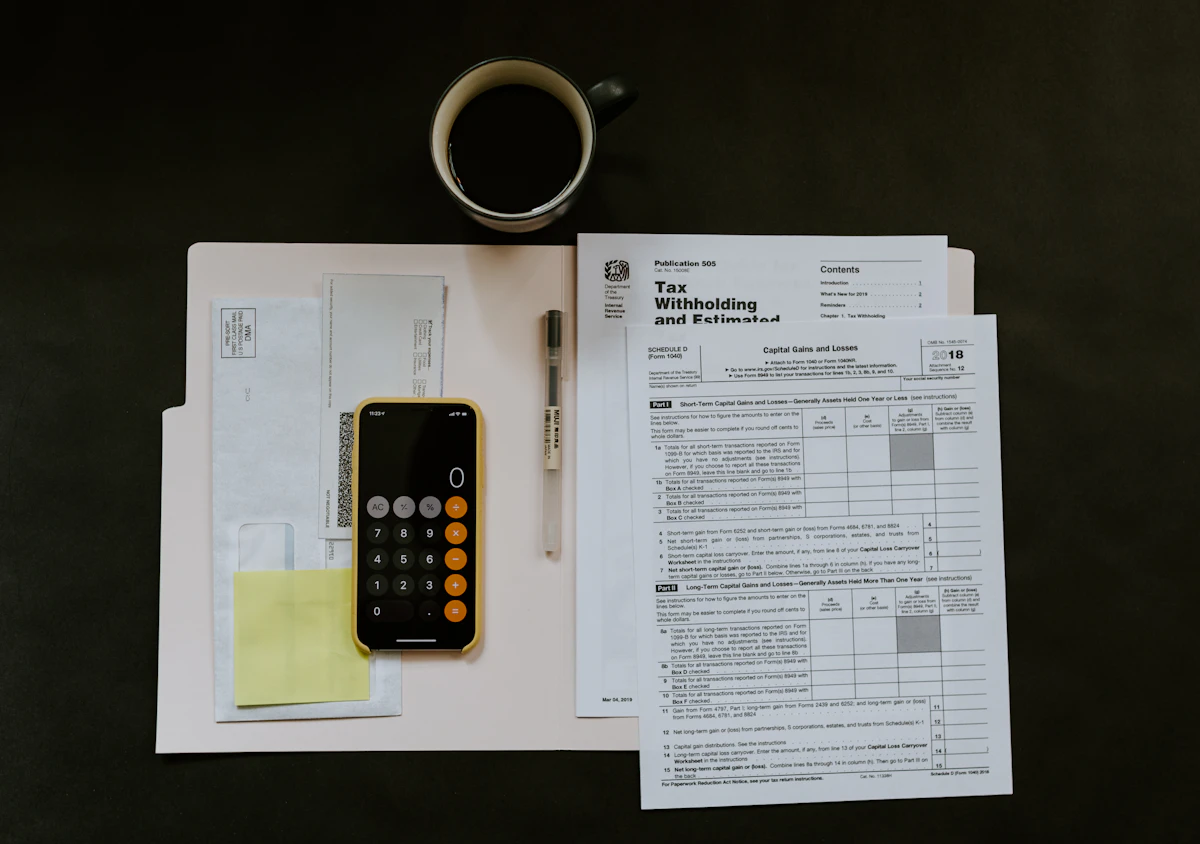
Most of the cost and stress of tax season is not the return itself. It is the books underneath it. When a tax preparer receives a file that has not been reconciled, they have two choices: fix it first, usually billed by the hour, or prepare the return from numbers nobody can vouch for.
Feather does not prepare tax returns. That is the job of your CPA or enrolled agent. Our job is the package they work from. This is what goes into it, and why each piece matters to the person filing your return.
Every account reconciled through the last day of the year
Every bank account, credit card, loan and payment processor is reconciled to its December statement, with a reconciliation report for each. This is the foundation. If the cash balances in the books do not agree with the bank, nothing built on top of them can be trusted, and a careful preparer will stop and ask before going further.
A final profit and loss, balance sheet and general ledger
These are the statements your preparer starts from. The general ledger matters as much as the summaries, because it lets them trace any line back to the transactions behind it without asking you for access to the file.
A log of every correction we made
If we reclassified expenses, removed duplicate entries or fixed something from earlier in the year, the package includes a list of what changed and why. Without it, the year-end numbers can disagree with statements you or your preparer saw mid-year, and the first hour of their time goes on working out what happened.
Owner money separated and summarized
Money you took out, money you put in, personal purchases made on the business card and reimbursements you were paid are all pulled out of income and expenses and summarized by owner. How each of these is treated depends on how your business is set up, and that decision belongs to your preparer. What they need from the books is a clean, complete list.
Equipment purchases and loans broken out
Computers, vehicles, machinery and other larger purchases are listed with their dates, amounts and invoices instead of being buried in an expense account. Your preparer decides how each one is handled on the return, and they can only make that decision if they can see the purchases.
For loans, we split each year's payments between principal and interest so the books agree with the lender's year-end statement.
Contractor payments, by vendor
The package lists everyone you paid for services during the year, how much, and how you paid them, along with whether we have a W-9 on file. How a contractor was paid affects which forms are needed, so we give your preparer the detail and let them confirm who needs one.
Collecting W-9s when a contractor is first paid, not in January, is one of the simplest ways to make year end easier. If we run your payroll, W-2 and 1099-NEC preparation is coordinated as part of that work.
Payroll tied to the books
Wages, payroll taxes and benefit deductions in the books are reconciled to the reports from your payroll platform, whether that is Gusto, Rippling or another system. When the two disagree, the difference is usually a run that was recorded twice, a manual check, or a tax payment booked to the wrong account, and it is far easier to find in the books than on a payroll tax notice later.
Sales tax collected compared with sales tax filed
If you collect sales tax, the liability in the books should agree with the returns that were filed and the payments that were made. We show both side by side, so any gap is visible before your preparer has to ask about it.
Open receivables and payables
Year-end lists of what customers still owe you and what you still owe suppliers. Invoices that will never be paid are flagged, so your preparer can decide how they should be treated.
Start in January, not the following March
None of this is a year-end project when the books are closed every month. With monthly bookkeeping, December is simply the twelfth close, and the package is assembled from work that already exists. When the books are a year behind, everything above has to be rebuilt first, and that is where tax-season stress actually comes from.
If that describes your books, catch-up bookkeeping gets the backlog reconciled and documented so your preparer has something solid to work from. It is remote work, so location does not limit it; our pages for New York, Chicago, Houston and Phoenix describe what a catch-up involves for the kinds of businesses in those cities. If you want this handled every month from now on, that is our monthly bookkeeping service.
What we do not do
We do not prepare or file income tax returns, give tax advice, or represent anyone before the IRS or a state tax agency. Those belong to your CPA or enrolled agent. What we do is make sure that when they open your books, the work is ready. If it helps, talk to us about what your preparer has asked for in past years, and we will tell you what we would put in your package.